Treating Athletes Foot with Aloe Vera
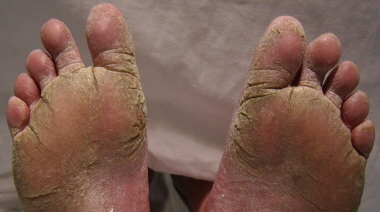
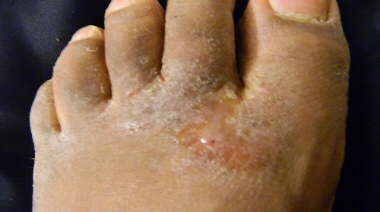
Description: Athlete's foot, known medically as tinea pedis, is a common skin infection of the feet caused by fungus. Signs and symptoms often include intense itching, scaling, skin cracking and redness. Sometimes the skin may also blister. Athlete's foot fungus may infect any part of the foot, but most often grows between the toes. The same fungus may also affect the nails or the hands.Athlete's foot is a member of the group of diseases known as tinea and is caused by a number of different fungi, including species of Trichophyton, Epidermophyton, and Microsporum. The condition is contagious and usually acquired by contact with infected skin, or fungus in the environment. Self diagnosis is normally made after you have rubbed the skin raw because of the constant itching. The doctor will probably concur after you explain your symptoms.
When infected, the feet should be kept dry and clean and whatever method of treatment you use is typically recommended for four weeks after the signs of infection are cleared. This is to prevent reinfection from fungal penetration. To be effective, treatment should include all infected areas (such as feet, toenails, hands, etc.). Otherwise, the infection may continue to spread, including back to treated areas.
Athlete's foot was first medically described in 1908 and historically was probably a rare condition that became more frequent in the 1900s due to the greater use of shoes, health club changing rooms, gyms and public swimming pools.
 |
 |
What can I do about athletes foot?
If you want to treat your condition naturally, or in conjunction with a conventional treatment, you might like to try using our Aloe Vera gel. The gel contains dozens of different nutrients, including vitamins, minerals, enzymes, amino acids, sugars, anthraquinones or phenolic compounds, lignin, saponins, sterols and salicylic acid. Often these are the very constituents found in your medication.
How do I use my gel when it arrives?
Take a frozen cube of your gel and allow it to dissolve and warm to room temperature. Use this time to wash your feet, paying particular attention between the toes and the creases around the nail line. Dry thoroughly. Mix your gel with a few drops of tea tree oil (Tea Tree oil is available from chemists or online). Tea tree is one of those things that should be in EVERYBODY'S bathroom cabinet.
Apply the mixture, rubbing it in and making sure you get right in between your toes. Put your socks on over this to keep the mixture on your skin and leave for the rest of the day. Reapply often during the day, making sure to use a clean cotton pad to apply the gel each time and disgard after single use, to prevent reinfection or contamination of your gel.
Athletes foot is a fungal infection, but cracked skin can allow bacteria to begin a secondary infection. Aloe vera is beneficial against both bacterial and fungal infections. It also soothes the affected area and has a cooling effect on the skin which will help reduce further itching, redness, inflammation, and discomfort.
|
Order Button Order freshly cut Aloe Vera leaves in a long lasting vacuum pack. 100% natural, straight from the plant. Vacuum sealed for freshness and to seal in the nutrients, vitamins, sugars and minerals. Note: Price includes post and packaging to the UK |
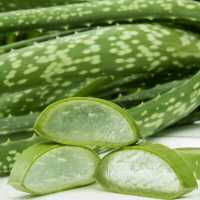
Aloe Vera slices and vacuum packs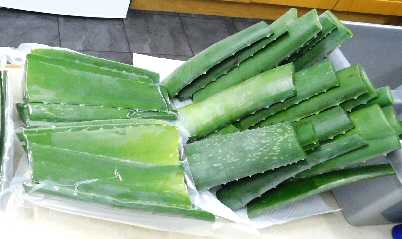 |
What do I do when my leaves arrive? Just follow these simple instructions.
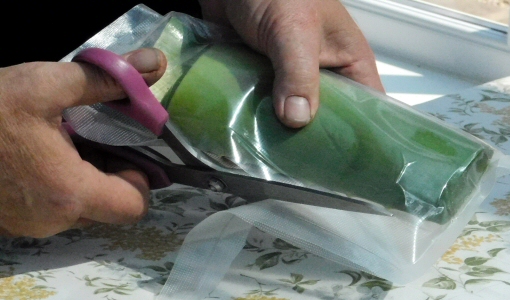 Cut open the vacuum packs and wipe your leaves clean |
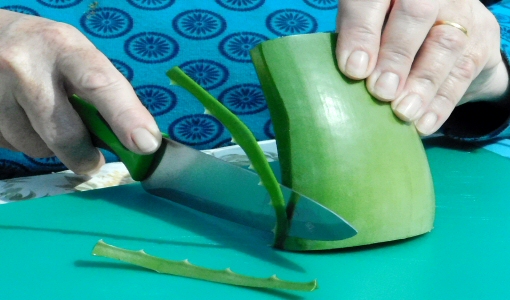 Slice off the spines on both sides with a sharp knife |
 Slide a dessert spoon between the skin and gel to separate |
 Scoop out the gel from the leaf using the same spoon |
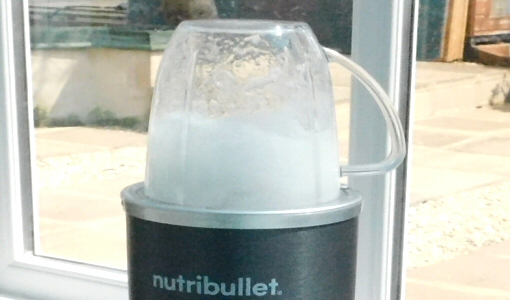 Liquidize for up to 30 secs in a liquidizer, whisk or nutribullet |
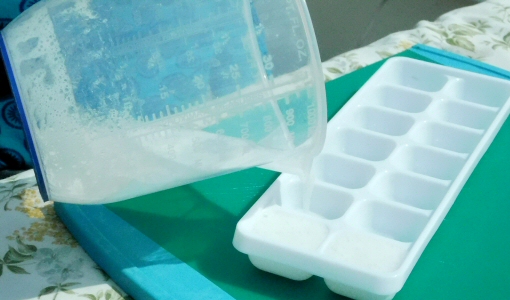 Once spun the gel will become a liquid. Pour into ice cube trays |
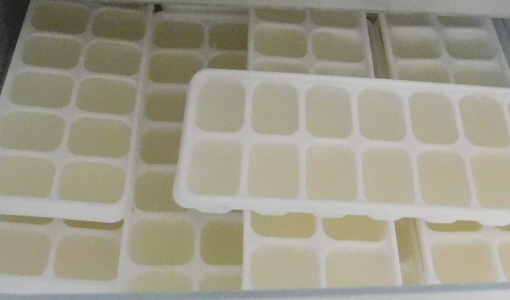 Place in freezer. A full freeze usually takes around 24hrs |
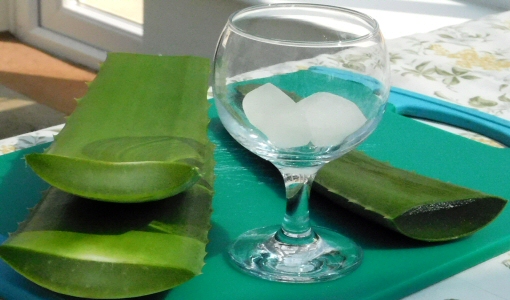 Internal use: Place cube/s in glass, add water, allow to defrost, drink |
 External use: Defrost undiluted, apply to skin, or rub cube on directly |
Please contact me when your condition improves. I really love to hear your success stories.
Disclaimer: Aloe Vera is known to be a wonderful cure-all around the world and back again. But it is always best to keep an open mind on both sides of the orthodox and natural remedies debate, and cherry pick the best solution on a condition by condition basis. Natural remedies alone may not always help to cure your condition, especially if there are contributory factors. If the condition worsens or takes longer than anticipated to recover, you are advised to contact your doctor. Normally, your aloe may be used along with any conventional medical treatment offered.
REFERENCES: Evidence studies and research papers.
Here is the evidence that I have found to support the use of Aloe Vera gel in your recovery.
The book Aloe Vera: Nature's Soothing Healer has a reference to using Aloe vera for joggers and their common sporting injuries. Runners World suggest that on average, runners of all ages sustain at least one injury per year. The foot, ankle, knee, shin and muscles of the upper leg are the most susceptible because they are subjected to the greatest amount of strain.
Brooks Johnson, a former sprinter and American track coach was director of track and field in the Department of Athletics at Stanford University (1979–92), found aloe Vera helpful in treating those types of injuries. Johnson had heard of people with critical health problems who had been helped by aloe Vera and decided to try using it on his runners. He would use this to relieve rashes, 'jock itch' and athlete's foot, and to help heal abrasions. In addition, aloe Vera was helpful in reducing inflammation.
Interestingly, Johnson also recommended aloe Vera for his distance runners as an effective food supplement, who would mix it with other juices for an energy boost.